
Hybrid Heating vs. Traditional Systems: What to Choose Before Winter (Hamilton/GTA)
What “hybrid” means (and why it’s popular in Ontario)
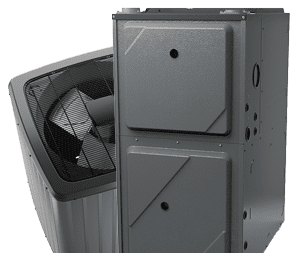
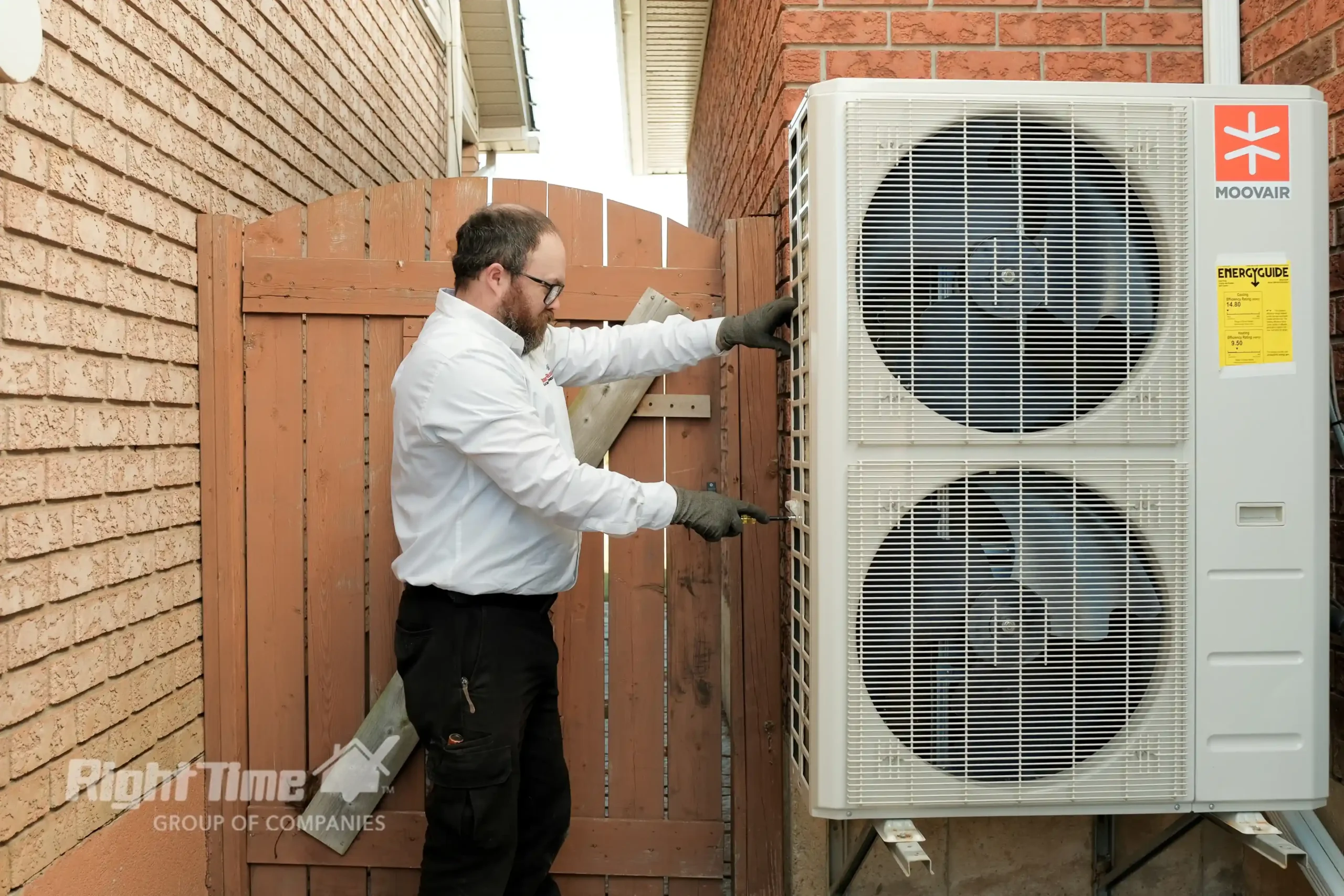
A hybrid (dual-fuel) setup uses a heat pump for most hours and a gas furnace for the coldest periods or whenever it’s cheaper to run. Modern cold-climate air-source heat pumps are tested and listed using standardized procedures that include low-temperature points; ENERGY STAR publishes data at 5°F (−15 °C), such as COP at 5°F and capacity retention for certified models. Many cold-climate models are listed with performance at 5°F (−15 °C) and can operate below that with reduced capacity (model-dependent). A hybrid setup ensures your furnace covers the coldest hours without compromising comfort. Capacity tapers as outdoor temperature drops; your furnace covers those deep-cold hours seamlessly.
Two concepts guide the switch:
- Thermal Switchover Point: the temperature at which the heat pump can still heat, but comfort/efficiency start to dip, so the furnace is preferred.
- Economic Balance Point (the lower-cost source at today’s prices): the temperature at which, given current electricity and gas prices, one system is cheaper per unit of heat than the other. This is a widely used industry concept referenced in government and utility guidance on heat-pump selection and operation.
Hybrid vs. Furnace-Only: The Quick Comparison
Upfront investment:
- Furnace-Only: A straightforward replacement can cost less up front than adding a heat pump.
- Hybrid: Adding a cold-climate heat pump can cost more initially (equipment + controls), but you gain a second, efficient heat source and built-in summer cooling in one unit.
(Exact prices vary by home, model, and install conditions; Boonstra provides written quotes after a site assessment.)
Deep-cold reliability:
- Furnace-Only: Delivers high, predictable output regardless of temperature, a dependable choice for arctic outbreaks.
- Hybrid: Lets the furnace handle the coldest hours and rapid recovery, while the heat pump efficiently covers the majority of winter hours. In Hamilton/Toronto winters, this pairing keeps comfort high without over-relying on one system.
Long-Term Operating Costs
Ontario’s Time-of-Use (TOU) and Ultra-Low Overnight (ULO) plans can favour heat-pump operation during off-peak/overnight periods, and on weekends and holidays, the lowest TOU/ULO price applies all day; natural gas pricing can favour the furnace at other times. That moving target is why hybrids shine: your controller can switch automatically at your economic balance point.
Ontario Rates Change the Math (so set the balance point, not a fixed “lockout”)
Your “cheapest heat source” shifts with today’s prices:
- Electricity: The Ontario Energy Board (OEB) sets TOU/ULO price periods by season. On weekends and OEB-listed statutory holidays, the lowest TOU/ULO price applies all day, which is often a great time to favour heat-pump operation. Price periods and cents/kWh are set and updated by the Ontario Energy Board; check the current TOU/ULO tables before tuning controls.
- Natural Gas: Enbridge posts residential rates and components, and rates change periodically with approval from the Ontario Energy Board (OEB); those changes affect when the furnace becomes the economical choice.
Good Practice: Program controls to follow your economic balance point rather than a one-size “lockout” temperature. Boonstra calculates this from your equipment data and the latest local prices, and we can re-tune it during maintenance if rates change.
Seasonal Note: Because the OEB and Enbridge adjust prices periodically, your ideal balance point can shift slightly season to season. We can review and fine-tune it during your annual maintenance visit. Check the current OEB price plan and Enbridge rate notices before tuning controls.
Hamilton/GTA climate context: expect cold snaps, not months of deep freeze
Hamilton and Toronto experience many days below freezing, with periodic cold snaps. A hybrid system uses the heat pump for most shoulder and moderate winter hours and relies on the furnace for short, very cold periods, exactly what dual-fuel is built for. Environment & Climate Change Canada station normals (Hamilton RBG) are the right baseline for planning.
A Simple, Real-World Hand-Off Plan
- Most days: Let the heat pump carry the load, quiet, steady, efficient.
- Near the balance point: As outdoor temperature approaches your tuned threshold, enable automatic switchover so the furnace takes the lead seamlessly.
- Cold snaps: The furnace covers peak demand and fast recovery; the heat pump pauses or supports, depending on controls.
- After the snap: Return to heat-pump primary to capture low-cost hours (especially ULO overnights).
Maintenance must-dos (protect comfort and costs)
- Annual tune-ups: Heat pumps and furnaces both benefit from a pre-winter check, catching issues that can lead to emergency calls and uneven heating. Government guidance recommends regular servicing of heat pumps to maintain efficiency and reliability. Boonstra’s Maintenance Plans include an annual visit and priority service.
- Airflow & clearance: Keep filters fresh (often every 1–3 months, system-dependent) and the outdoor heat-pump unit free of snow/ice.
- Control review: Re-confirm the balance-point setup at the start of each heating season, especially if you change TOU/ULO plans or Enbridge updates rates.
Which should you choose?
- Choose furnace-only if you want the lowest upfront cost and all-weather reliability without managing price-period optimization.
- Choose a hybrid if you value year-round comfort (heating + cooling), want to take advantage of off-peak electricity rates, and like the safety net of a furnace for deep cold. For many Hamilton/GTA homes, hybrid offers a strong balance of comfort, resilience, and long-term operating cost control when appropriately configured.
Next step: Book a Boonstra assessment. We’ll evaluate your home, discuss models and options, confirm your economic balance point, and provide a precise, written quote. Prefer to compare options side-by-side? We’ll show you the hybrid and furnace-only paths with operating-cost scenarios based on your current TOU/ULO plan and Enbridge rate.