
Kitec Plumbing in Hamilton: What Homeowners Should Know
If your home was built between the mid-1990s and the early 2000s, there’s a possibility it contains Kitec plumbing. This system was once marketed as a budget-friendly alternative to copper, but over time it developed a reputation for leaks, corrosion, and costly repairs.
For homeowners in Hamilton, Ancaster, Burlington, Dundas, Milton, and Oakville, Kitec is more than just an old plumbing material. It can also affect insurance coverage, resale value, and the long-term condition of your home.
Many people only discover Kitec after a home inspection, an insurance review, or a plumbing issue. By that point, replacement can become urgent. This guide explains what Kitec is, why it creates concerns, what insurance companies may look at, and what removal may cost.
What Is Kitec Plumbing?
Kitec is a type of plumbing system that was widely installed in homes between about 1995 and 2007. It typically uses flexible plastic piping with brass fittings and was originally promoted as a lower-cost, easier-to-install option.
At the time, it seemed like a practical choice. Unfortunately, years of use have shown that Kitec systems can deteriorate, especially when the brass fittings begin to corrode. That can lead to reduced water flow, leaks, and in some cases significant water damage.
Why Kitec Becomes a Problem
The biggest issue with Kitec is that it may fail gradually or suddenly, often with little warning. A home can seem fine on the surface while corrosion is developing inside the plumbing system.
Common problems linked to Kitec include:
- Pinhole leaks.
- Corroded fittings.
- Reduced water pressure.
- Hidden water damage.
- Costly repair work inside walls or floors.
Because much of the system is concealed, a leak can go unnoticed until damage has already spread. In many cases, the cost of fixing the resulting water damage is far higher than the cost of replacing the piping before failure happens.
Kitec and Home Insurance in Hamilton
Many insurance companies treat Kitec as a higher-risk plumbing system because of its history of failure and water loss claims.
Depending on the insurer, a home with Kitec plumbing may face:
- Higher premiums.
- Higher water damage deductibles.
- Water damage exclusions.
- Requests for a plumbing inspection.
- Conditions requiring replacement before renewal.
This can be frustrating for homeowners, but it also makes early action important. If Kitec is present, it’s a good idea to speak with your insurance provider or broker before a claim or renewal issue comes up.
Can You Still Get Insurance With Kitec?
Yes, but the policy may come with restrictions.
Some insurers will still provide coverage, while others may:
- Charge more for the policy.
- Limit water damage protection.
- Ask for documentation about the plumbing.
- Require proof of replacement within a certain period.
Every insurer is different, so homeowners should never assume that one company’s rules apply everywhere. A quick policy review can help you understand where you stand.
How to Tell If a Home Has Kitec
A good place to start is the age of the home. Kitec is commonly found in homes built between 1995 and 2007, including many properties in Hamilton, Ancaster, Burlington, Dundas, Milton, and Oakville.
You may find signs of Kitec in areas such as:
- Near the hot water tank.
- Under sinks.
- In utility rooms.
- Near the main shut-off valve.
- Around boilers or mechanical equipment.
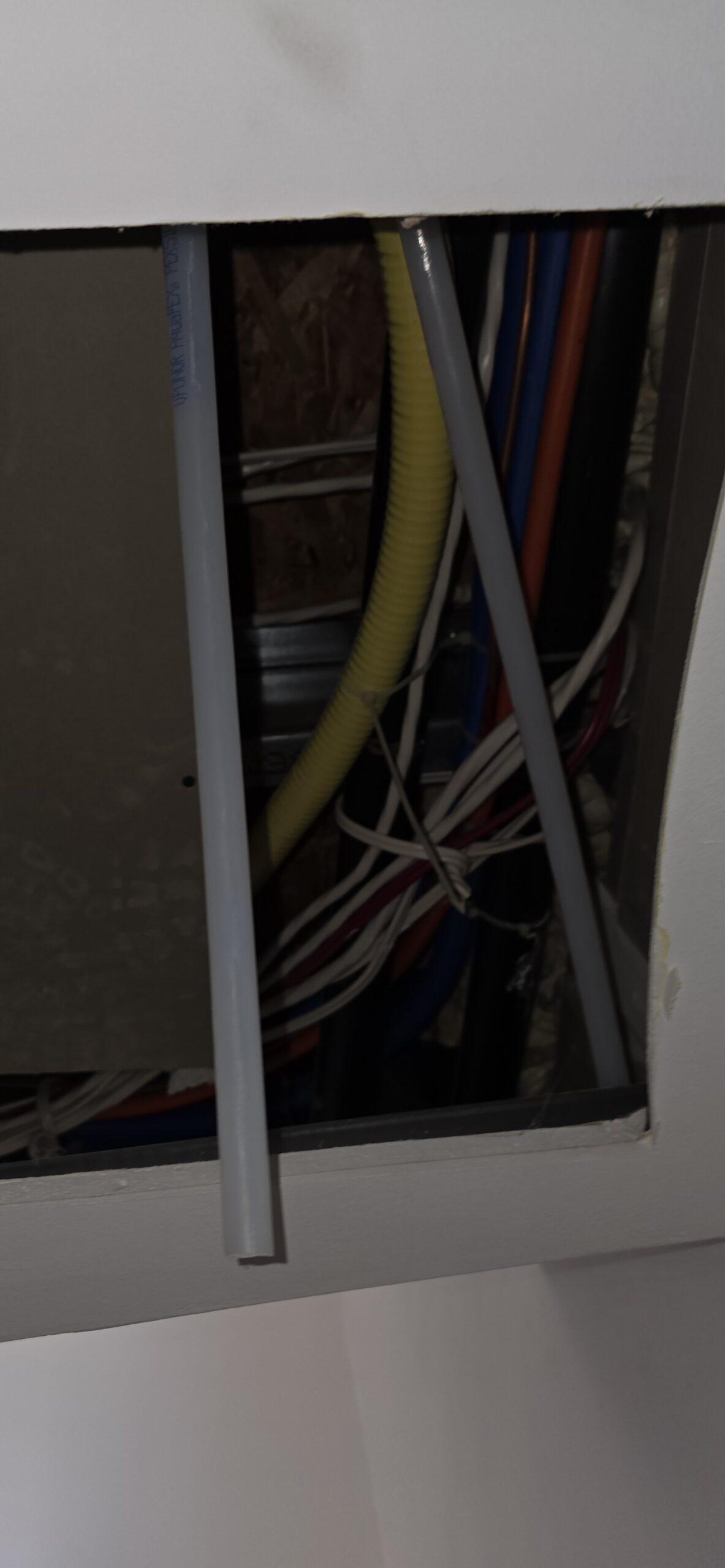
Typical identifying features include:
- Orange or blue pipe.
- Fittings stamped with names like Kitec or KTC.
- Brass fittings that may show corrosion.
- Reduced water pressure in some areas.
- Fitting ring is stamped with XPA
Because a lot of the plumbing is hidden behind walls, the safest way to confirm it is to have a licensed plumber inspect the system.
Should Kitec Be Removed?
In most cases, yes. Full replacement is usually the best long-term solution.
Replacing Kitec can help homeowners:
- Lower the risk of leaks.
- Protect the home from water damage.
- Improve insurance options.
- Make the property easier to sell.
- Avoid future emergency plumbing costs.
Many homeowners choose to replace Kitec proactively instead of waiting for a failure that could damage flooring, drywall, or personal belongings.
What Happens During Kitec Removal?
A professional Kitec replacement project usually includes:
- Inspecting the existing plumbing.
- Mapping out the replacement plan.
- Removing the Kitec piping and fittings.
- Installing new copper or PEX piping.
- Testing the system for pressure and leaks.
- Repairing access areas as needed.
- Final inspection and cleanup.
The timeline depends on the home’s size and layout, but many projects can be completed in a few days.
How Much Does Kitec Removal Cost?
The cost of Kitec removal varies based on the size of the home, how accessible the plumbing is, and how much repair work is needed after the pipes are replaced.
As a general range, many homeowners may expect Kitec replacement to cost somewhere between $5,000 and $15,000+. Larger homes or more complex layouts can cost more.
Even though the price can be significant, many homeowners see it as a smart investment because it helps reduce the chance of much larger water damage costs later.
Why Homeowners Choose to Replace Kitec
The main benefits of replacing Kitec include:
- Better peace of mind.
- Lower risk of unexpected plumbing failures.
- Stronger resale confidence.
- More favorable insurance outcomes.
- Long-term protection for the home.
For homeowners planning to stay in their home, replacement can be one of the most practical ways to protect a major investment.
Why Choose Boonstra Heating and Air Conditioning?
At Boonstra Heating and Air Conditioning, we help homeowners in Hamilton, Ancaster, Burlington, Dundas, Milton, and Oakville identify and replace Kitec plumbing with modern, dependable materials.
Our team focuses on clear communication, quality workmanship, and reliable solutions that help protect your home from future plumbing problems. If you’re not sure whether your home has Kitec, or if your insurance provider has raised concerns, we can help you understand your next steps.
Book a Kitec Inspection
If your home was built between 1995 and 2007, now is a good time to check whether Kitec plumbing is still in the system.
A professional inspection can help you confirm what kind of plumbing you have, understand the risks, and decide whether replacement makes sense for your home and your insurance situation.
Contact Boonstra Heating and Air Conditioning today to schedule a Kitec inspection or learn more about replacement options.